
Your collector car represents years of passion and investment. Getting the right appraisal is the foundation of proper insurance protection in Oregon.
At AOA West, Inc., we’ve seen too many collectors underinsured because they skipped this critical step. A professional appraisal determines your actual coverage needs and protects what matters most.
What Makes a Collector Car Appraisal Different
The Professional Assessment Your Collector Car Needs
A collector car appraisal is a detailed professional assessment of your vehicle’s actual market value, completed by a certified appraiser who specializes in classic and collector vehicles. This appraisal goes far beyond what you’d get from a standard used car valuation. Standard valuations rely on generic pricing databases that treat your 1967 Chevrolet Corvette the same way they’d value a 2015 Honda Civic-they completely miss the specific factors that determine what your car is actually worth.
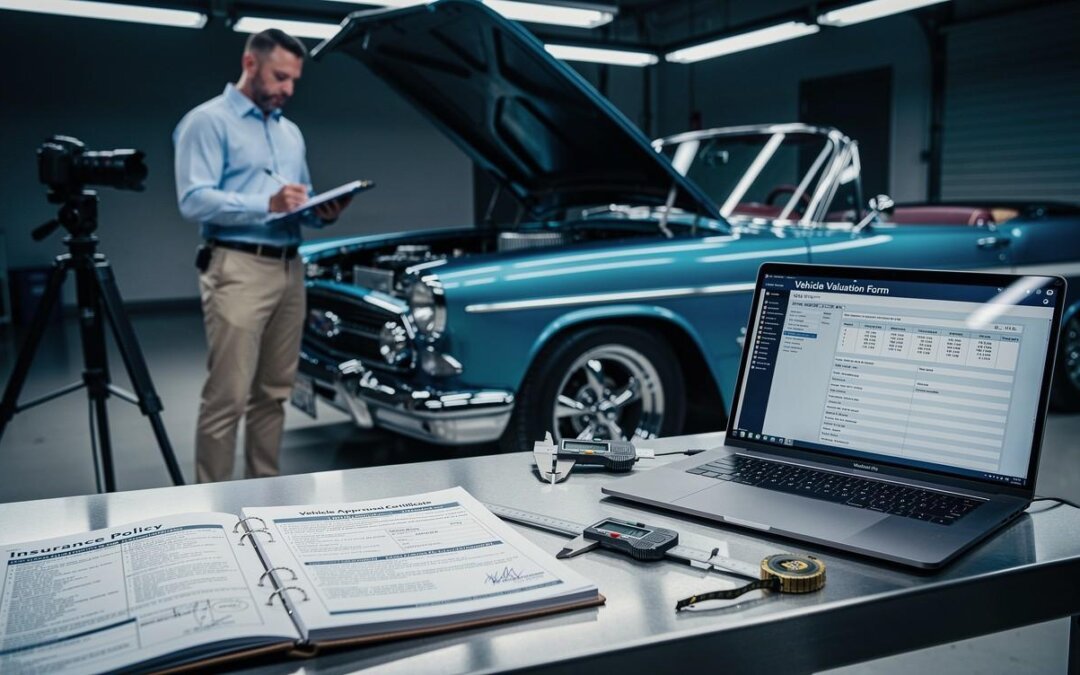
A professional collector car appraiser physically inspects your vehicle, documents its condition, researches its specific history, verifies its authenticity, and compares it against recent sales of similar vehicles in the collector market. The National Association of Independent Insurance Adjusters recognizes collector car appraisals as the industry standard for accurately valuing these vehicles because they account for restoration quality, originality, provenance, and market demand in ways that standard valuations cannot.
Why Oregon Collectors Face Real Financial Risk Without an Appraisal
Many Oregon collectors assume their regular auto insurance or a quick online valuation is sufficient, and that assumption costs them money when they file a claim. If your 1972 Porsche 911 is insured for $35,000 based on a standard valuation but an appraisal shows it’s worth $65,000, you’re underinsured by $30,000. When you file a claim for damage or theft, your insurance company will only pay based on what you’re insured for, not what the vehicle is actually worth.

This gap between perceived value and actual value is the primary reason collectors end up with inadequate protection. An accurate appraisal establishes an agreed value with your insurance carrier, meaning you and your insurer have already agreed on the vehicle’s worth before any claim happens. This approach eliminates disputes and guarantees you receive the full replacement value if something happens to your car.
What Happens Next With Your Appraisal
Once you have a professional appraisal in hand, you’re ready to work with an insurance agent who understands collector vehicles and can translate that appraisal into the right coverage for your situation.
How Your Appraisal Determines Your Coverage and Protection
Your Appraisal Sets the Foundation for Coverage Limits
Your appraisal directly controls two critical decisions your insurance company makes: how much they’ll charge you and how much they’ll pay you when something happens. An appraiser’s documentation of your 1965 Ford Mustang’s $48,000 value means nothing if your policy only covers $30,000 of that amount. The right coverage matches your actual investment, not some guesswork number. Without an appraisal, you risk underinsuring a vehicle that represents significant financial commitment.
Agreed Value vs. Actual Cash Value: The Real Difference
The difference between an agreed value policy and an actual cash value policy determines whether you receive full replacement cost or face depreciation deductions when you file a claim. Oregon collectors often don’t realize that standard auto policies automatically apply depreciation, meaning your pristine 1979 Datsun Z might be worth $42,000 today but your insurer calculates its value at $28,000 after applying their depreciation tables.
Agreed value policy locks that number in with your carrier before any damage occurs. This approach eliminates the dispute that happens when a standard policy holder files a claim and the insurance company applies their own valuation, typically resulting in a lower payout than the owner expected. With agreed value coverage, you and your insurer have already settled on the vehicle’s worth.
How Appraisals Impact Your Premium Rates
Premium rates shift significantly once your appraisal reaches your insurance company because insurers now have verified documentation instead of estimates. Your appraiser’s report showing restoration quality, original components, and market comparables gives your insurance carrier concrete evidence to base rates on, often resulting in lower premiums than policies built on incomplete information.
Oregon insurers typically require detailed appraisals for vehicles valued over $25,000, and many now request photos, service records, and restoration documentation as part of their claims process. This documentation protects both you and your carrier by establishing the vehicle’s condition and value upfront.
Documentation You’ll Need When Filing a Claim
When you file a claim, that appraisal becomes your strongest evidence that your vehicle’s value is legitimate and well-documented. You’ll need to provide the original appraisal report, proof of ownership, maintenance records showing how you’ve preserved the vehicle, and photographs taken before any damage occurred. Having these documents organized and accessible means your claim processes faster and your payout reflects what you actually invested in the vehicle.

The next step involves finding the right appraiser in the Tigard area and understanding what happens during the appraisal process itself.
Finding the Right Appraiser for Your Collector Car
Credentials and Experience Matter More Than Convenience
The appraiser you select determines whether your collector car receives an accurate valuation or gets undervalued by someone unfamiliar with the market. Not all appraisers hold equal qualifications, and hiring a generalist who handles standard vehicles will produce a report your insurance company questions or rejects outright. You need an appraiser certified in collector and classic vehicles, which means looking for credentials from the American Society of Appraisers or the National Association of Independent Insurance Adjusters.
In the Tigard area, start by asking your insurance agent for three to five referrals of appraisers they’ve worked with successfully on collector cars. Call each appraiser and ask directly about their experience with your specific vehicle type-a 1950s Porsche requires different expertise than a 1970s muscle car. Ask how many collector car appraisals they’ve completed in the past two years, what professional certifications they hold, and whether they’ve appraised vehicles for insurance companies in Oregon specifically. An appraiser who’s completed fifty collector car appraisals in the past year knows the market far better than someone who does five.
Verify Track Records Through References
Request references from other collectors they’ve appraised vehicles for, then actually call those references and ask whether the appraisal held up during claims and whether the appraiser was thorough and professional. This step takes time, but it prevents you from hiring an appraiser whose reports your insurance company later disputes or rejects.
What Happens During Your Appraisal Appointment
Expect the appraisal process to take two to four hours depending on your vehicle’s complexity and condition. The appraiser will photograph every angle of the car, document the engine number, VIN, mileage, and any modifications or restoration work. They’ll research comparable sales of similar vehicles sold in the past six to twelve months, which means they check actual market data rather than relying on generic pricing guides.

Bring your service records, restoration documentation, original purchase receipts, and any maintenance logs showing how you’ve preserved the vehicle (this information directly supports the appraiser’s final valuation and proves to your insurance company that the vehicle’s condition justifies its assessed value). The appraiser will ask detailed questions about restoration work, original components, and whether you’ve modified the engine or suspension. Have honest answers ready, because misrepresenting modifications or hiding restoration shortcuts will create problems later when your insurer investigates a claim.
Your Final Appraisal Report
After the appraisal, you’ll receive a formal written report with photographs, condition documentation, market comparables, and the appraiser’s final value assessment. This report becomes your insurance application’s foundation and your strongest protection if a claim dispute arises. The documentation you’ve gathered and the appraiser’s professional assessment work together to establish your vehicle’s legitimate market value with your insurance carrier.
Final Thoughts
A professional appraisal protects your collector car investment in Oregon by establishing your vehicle’s actual market value and eliminating disputes with your insurance company. Collector car appraisals in Oregon work best when paired with agreed value coverage that locks in your vehicle’s worth before any incident happens. Without an appraisal, you risk losing thousands of dollars when a claim occurs because your insurer will only pay what your policy covers, not what your car is actually worth.
We at AOA West, Inc. work with Tigard-area collectors to translate professional appraisals into the right insurance protection. As an independent agency, we review your appraiser’s documentation, compare coverage options from multiple carriers, and explain exactly what protection you receive. Our local team understands the collector car market in Oregon and knows which insurers take appraisals seriously when claims arise.
Contact a certified appraiser in the Tigard area and schedule your vehicle’s appraisal, gathering your service records and restoration documentation beforehand. Once you have that appraisal report in hand, reach out to AOA West, Inc. to discuss collector car coverage options. We’ll review your appraisal, answer your questions about agreed value versus actual cash value, and help you select protection that matches your actual investment.
Disclaimer: The information provided in this blog is for general informational purposes only and does not constitute legal, financial, or insurance advice. Coverage options, terms, and availability may vary. Please consult with a licensed professional for advice specific to your situation. Artificial intelligence may have been used to generate text and images in some blog articles.