
Filing a home insurance claim in Oregon doesn’t have to be stressful if you know what to expect. We at AOA West, Inc. help homeowners navigate this process every day, and we’ve seen firsthand how the right preparation makes all the difference.
This guide walks you through each step, from documenting damage to working with your adjuster. You’ll also learn the mistakes that slow claims down and how to avoid them.
Getting Your Claim Right From the Start
Act Fast With Visual Documentation
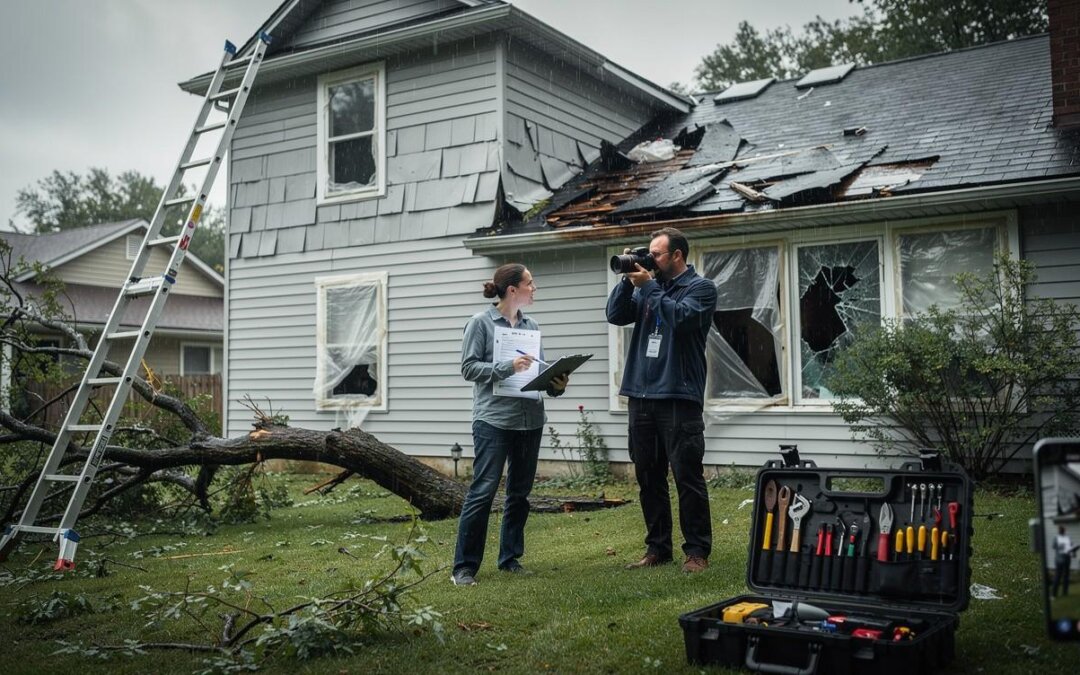
The first hours after a loss determine how smoothly your claim moves forward. Start documentation of damage with photos and videos, capturing wide shots of affected rooms and close-ups of specific damage. Insurance adjusters in Oregon typically process claims faster when they receive clear visual evidence before they arrive at your property.
Take photos of damaged items from multiple angles and include undamaged items nearby for context, which helps establish the scope of loss. Video walks through affected areas work particularly well because adjusters can see spatial relationships and the extent of damage more clearly than static images alone. Store these files in at least two locations-your phone and cloud storage-so you have backup copies if your device is damaged.

Contact Your Agent the Same Day
Contact your insurance agent the same day you discover the damage, not the next morning. Oregon insurers generally require prompt notification, and delays can complicate your claim or potentially affect coverage. When you call, have your policy number ready and describe the damage factually without exaggeration.
Your agent can immediately begin the claims process and answer specific questions about your coverage limits and deductible. This early conversation prevents misunderstandings about what your policy covers and what you’ll pay out of pocket.
Organize Receipts and Item Descriptions
While you’re gathering information, collect receipts, invoices, and proof of purchase for damaged items. For older belongings without receipts, write down item descriptions with approximate purchase dates and estimated original costs-this information supports your claim value.
If you have a home inventory, reference it now. Many Oregon homeowners who lack receipts underestimate their claim values simply because they can’t remember what they owned or what they paid. Creating a detailed list of damaged items with descriptions takes time but directly increases settlement accuracy.
Organize this documentation in a single folder, either physical or digital, so nothing gets lost when your adjuster requests specific information. The clearer your records are, the faster your adjuster can verify what you lost and move toward a settlement. Once your documentation is complete and your agent has filed your claim, the next phase begins when the insurance company assigns an adjuster to assess your property.
What Happens During Your Claim Assessment
The Adjuster Inspection Process
After you file your claim with your agent, an insurance adjuster will contact you to schedule an inspection of your property. This visit typically occurs within 3 to 10 business days, depending on claim volume and weather conditions in Oregon. The adjuster’s role is straightforward: verify the damage matches your description, assess repair costs, and confirm coverage applies.
Prepare for this visit by organizing your documentation and making it accessible. Walk the adjuster through affected areas, point out damage you photographed, and provide receipts or estimates you’ve gathered. The adjuster will measure damaged areas, take their own photos, and may request additional information like proof of purchase for high-value items.

This inspection is not adversarial-adjusters work for the insurance company, but they also have no incentive to undervalue legitimate claims. Cooperation during the inspection keeps things moving forward.
Understanding Your Policy Limits and Deductible
The adjuster will review your policy limits and deductible, and any exclusions that apply to your specific loss. This is where many Oregon homeowners encounter surprises. With a flat deductible, you agree to pay a fixed amount out of pocket for each claim before your insurance coverage kicks in. If your claim totals $3,500 in damage and your deductible is $1,000, you’ll receive $2,500.
Coverage exclusions matter significantly. Flood damage typically isn’t covered under standard homeowners policies and requires separate National Flood Insurance Program coverage or a private flood endorsement. Earthquake damage also needs separate coverage in Oregon. The adjuster will clarify what your policy covers and what it doesn’t, so you understand your settlement before it’s finalized.
Timeline and Next Steps
Most Oregon claims are resolved within 30 to 45 days from the date of loss, though complex claims involving multiple areas or contractor disputes can take longer. Throughout this process, your agent can answer questions about your specific policy and advocate on your behalf if issues arise. Once the adjuster completes their assessment and your coverage is confirmed, the insurer moves toward settlement-but common mistakes can still derail progress at this stage.
Common Mistakes That Delay Home Insurance Claims
Waiting Too Long to Report Your Loss
Delayed notification stands as the single most damaging mistake Oregon homeowners make. Oregon insurers typically require notification within a specific timeframe, and delays create documentation gaps that adjusters cannot close. If you wait three days to report a water pipe burst, your adjuster arrives at a property where secondary damage has already spread to areas you did not initially photograph. The adjuster then questions whether mold or structural damage existed before the loss or developed afterward, which forces additional inspections and extends your settlement timeline from 30 days to 60 or beyond.
Contact your agent the day damage occurs, even if you can only describe the situation over the phone. That single action locks in your claim date and prevents coverage disputes that stem from delayed notification. Your agent can answer immediate questions about your coverage and begin the claims process without waiting for perfect information.
Submitting Scattered or Incomplete Documentation
Disorganized documentation creates friction at every stage of your claim. Adjusters in Oregon process dozens of claims monthly, and when you hand them scattered receipts, blurry photos from different angles, and vague item descriptions, they spend hours organizing your information instead of verifying your loss. If you cannot locate a receipt for a $2,000 television, your adjuster requests a replacement cost estimate from a retailer, which adds 5 to 10 business days to your settlement.
Compile all receipts, invoices, and proof of purchase into a single folder before your adjuster arrives. Write down descriptions for older belongings without receipts, including approximate purchase dates and estimated original costs. This preparation allows your adjuster to verify your claim quickly and move toward settlement without delays caused by missing information.

Removing Damaged Materials Before Inspection
Some homeowners dispose of damaged property before the adjuster inspects it, which eliminates the adjuster’s ability to verify the damage independently. Oregon insurers have documented cases where claims stalled for weeks because homeowners threw away damaged flooring or drywall before inspection. Your adjuster needs to see the physical damage firsthand to confirm your claim aligns with your description and photographs.
Once you file your claim, stop removing or discarding damaged materials until the adjuster completes their on-site inspection and provides written approval to proceed with cleanup or repairs. This step protects your settlement and prevents disputes about the extent of damage your loss actually caused.
Final Thoughts
Filing a home insurance claim in Oregon requires preparation, speed, and organization. The steps outlined in this guide-documenting damage immediately, contacting your agent the same day, gathering receipts and descriptions, cooperating with your adjuster, and avoiding common delays-form the foundation of a smooth settlement. When you follow these practices, your claim moves from filing to resolution without unnecessary friction.
Working with a local Oregon agent makes this process significantly easier. Your agent knows Oregon’s specific insurance requirements, understands how local adjusters operate, and can advocate for you when questions arise about coverage or settlement amounts. At AOA West, Inc., we’ve helped Tigard homeowners navigate claims for over 40 years, and we understand the stress a loss creates.
The best time to prepare for a claim is before you need one. Review your policy limits and exclusions now, photograph your home’s contents and store those images securely, and keep receipts for major purchases. Contact AOA West, Inc. today to review your coverage and ensure you’re protected against the unexpected.
Disclaimer: The information provided in this blog is for general informational purposes only and does not constitute legal, financial, or insurance advice. Coverage options, terms, and availability may vary. Please consult with a licensed professional for advice specific to your situation. Artificial intelligence may have been used to generate text and images in some blog articles.